
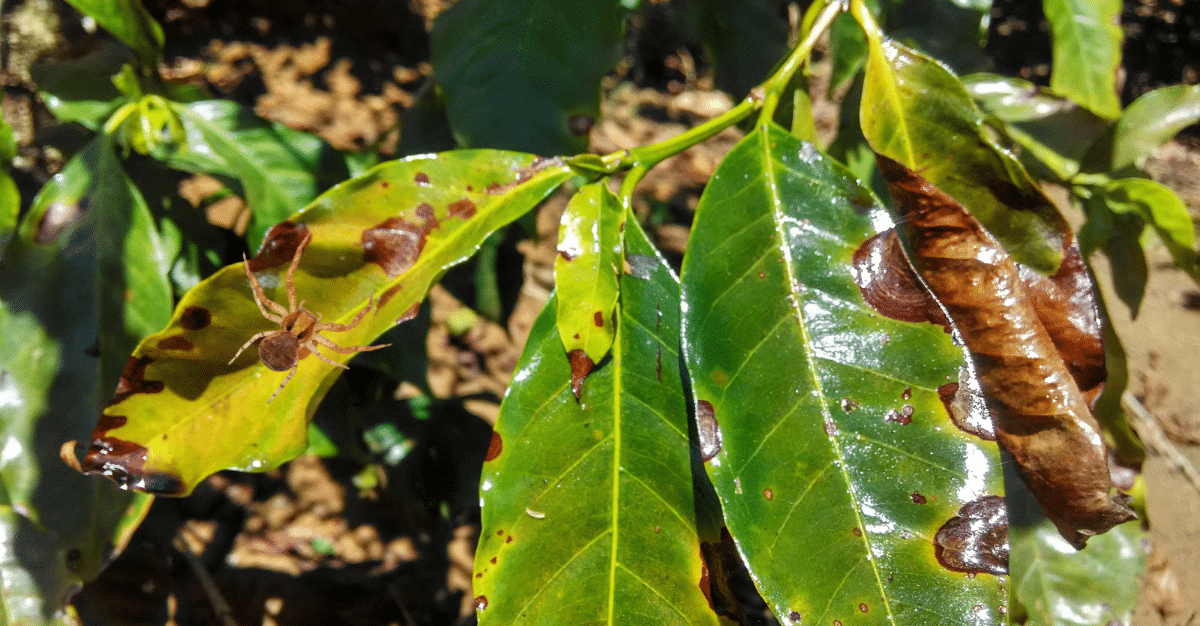
Florida gardeners live in a warm, forgiving climate most of the year, but when a cold front sweeps through, it can leave flowers, shrubs, and palms looking stressed, wilted, or burned. The good news is that most plants are far more resilient than they look. With a little patience and the right steps, your garden can bounce back beautifully.
Here’s how to help your landscape recover — and the common mistakes to avoid.
1. Start With Patience: Don’t Rush to Cut Anything
Cold‑damaged plants often look worse than they are. Leaves may be drooping, mushy, or brown, but the stems and roots may still be alive.
Do:
- Wait several days to a week before making any decisions
- Allow the plant to warm up and stabilize
- Check stems for life by gently scratching the bark (green = alive)
Don’t:
- Immediately prune off brown or wilted foliage
- Assume a plant is dead based on leaf damage
- Remove fronds from palms (they protect the growing point)
Cold damage often reveals itself slowly. Give your plants time to show you what’s truly alive.
2. Water Deeply Once Temperatures Rise
After a cold event, plants are stressed and dehydrated.
Do:
- Water deeply once the soil has thawed and daytime temps rise
- Resume normal watering schedules
- Water early in the day so plants dry before nightfall
Don’t:
- Overwater soggy or mushy plants
- Water during freezing temperatures
Moist soil holds heat better than dry soil, so this step also helps prepare for the next cold night.
3. Treat Flowers Gently — They Recover Fastest
Annuals and tender perennials often bounce back quickly.
Do:
- Remove only the mushiest, collapsed flowers
- Leave stems and foliage until new growth appears
- Fertilize lightly in a week or two
Don’t:
- Pull out plants too soon — many will surprise you
- Apply heavy fertilizer immediately (it stresses them further)
If an annual is truly gone, you’ll know within a few days.
4. Woody Shrubs Need Time Before Pruning
Shrubs like hibiscus, crotons, and bougainvillea often look terrible after a cold snap — but they’re tougher than they appear.
Do:
- Wait until new growth emerges before shaping
- Scratch stems to check for green tissue
- Prune only after the danger of frost has passed
Don’t:
- Cut back woody plants immediately
- Assume leaf drop means death
- Fertilize too early
Most woody plants push new buds from lower nodes once the weather stabilizes.
5. Palms Require Special Care — and Extra Patience
Palms are uniquely vulnerable because their growing point (the “heart”) is at the top of the trunk.
Do:
- Leave all damaged fronds in place — they protect the bud
- Water normally
- Wait until late spring to prune
- Watch for new spear growth (a good sign)
Don’t:
- Remove brown fronds right away
- Cut off the spear (this can kill the palm)
- Apply fertilizer immediately after cold damage
If the spear pulls out easily, the palm may be severely damaged — but even then, some recover with time.
6. Avoid These Common Mistakes
These are the things Florida gardeners do in a panic — and regret later.
Don’t:
- Prune too early
- Fertilize stressed plants
- Assume brown = dead
- Remove protective mulch
- Overwater mushy roots
- Spray leaves with anything “to help” (it doesn’t)
Cold recovery is mostly about patience and observation.
7. When to Prune and Fertilize After a Cold Snap
A simple rule of thumb:
- Prune: After new growth appears and all danger of frost has passed
- Fertilize: Lightly, 2–3 weeks after the event, once plants show recovery
For palms, wait until late spring for any major pruning or feeding.
8. Final Thoughts: Florida Gardens Are Resilient
Cold snaps are stressful, but they’re also temporary. Most Florida plants are adapted to bounce back quickly once warm weather returns. Your job is simply to:
- Give them time
- Avoid rushing
- Support them with water and warmth
- Prune only when you see new growth
Your garden has been through this before — and it will recover again.
Happy Digging,
Jane
What Comes Next
If you need to improve what you know about using IPM -Integrated Pest Management for your garden, wherever it is read part I-V of IPM coming each week.