
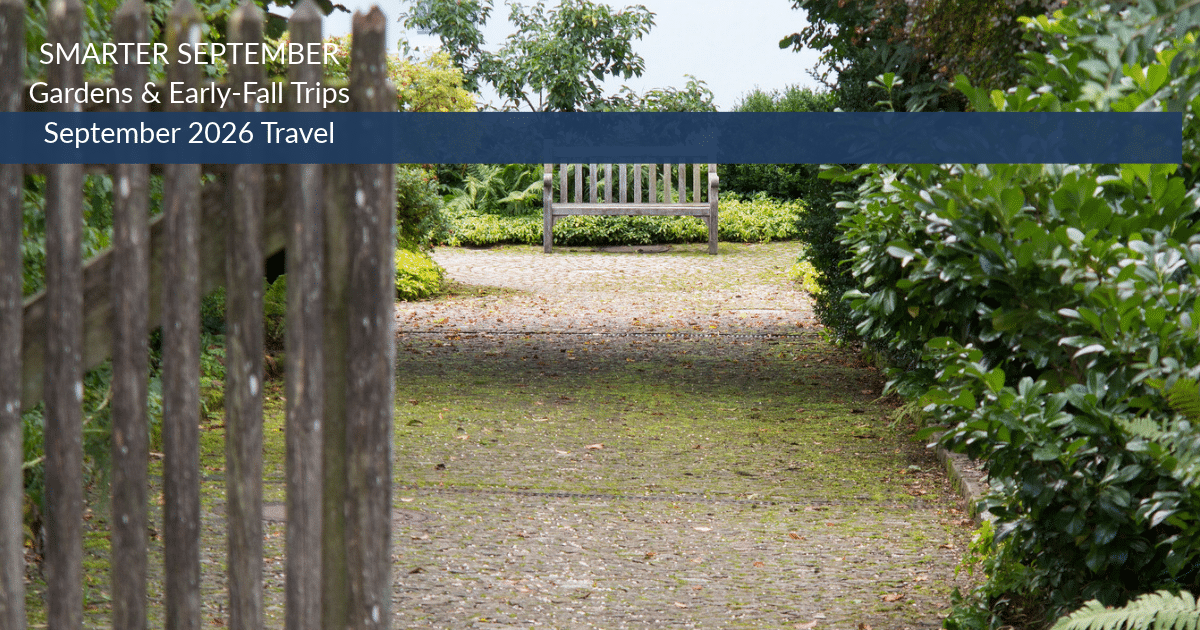
Explore This: Smarter September: Tidy Gardens & Early‑Fall Trips
Tidy Gardens: How Neat Is Too Neat
Regional Gardens to Visit This Month
September Cleanup Details & Timing
Food‑Forward Trips for Early Fall.

Explore This: Regional Gardens to Visit This September
• Where These Gardens Are Located
• How to Access Each Garden
• Amenities, Food & Accessibility
• Indoor Options for Hot or Rainy Days
• Features Not to Miss
• What Gardeners Can Learn From Each Visit
• Nearby Places to Explore

Introduction
Early fall is one of the most rewarding times to explore regional botanical gardens. Summer’s intensity begins to ease, the light softens, and gardens shift into their late‑season rhythm: seedheads, grasses, fruiting shrubs, and early hints of fall color. September is also a practical month for gardeners — you’re planning cleanup, refreshing beds, and thinking ahead to winter structure — so visiting a garden now gives you ideas you can use immediately at home.
Below are seven standout regional gardens worth visiting this month. Each one offers a different landscape style, climate story, and design approach. Use these visits to gather inspiration, enjoy early‑fall beauty, and learn techniques you can bring back to your own garden.
1. Longwood Gardens — Kennett Square, Pennsylvania

Why You Want to See This Garden
Longwood is the garden that shows you what horticulture can be when imagination meets mastery. The scale alone is breathtaking — vast conservatories, fountains choreographed to music, and seasonal displays that feel almost impossibly lush. But what makes Longwood worth the trip for gardeners is its precision: every border, every container, every water feature is executed at a level that teaches you something about design, color, and plant performance. It’s the place where gardeners go to be inspired and humbled at the same time.
Longwood is one of the country’s most influential public gardens, and September is one of its most dynamic months. The late‑summer borders are still lush, but early fall color begins to show in the meadow and woodland edges. The Conservatory transitions into its autumn displays, with dahlias, salvias, and towering grasses creating dramatic structure.

Where It’s Located Kennett Square, in the Brandywine Valley — rolling hills, historic estates, and a strong horticultural tradition.
How to Access It Philadelphia International Airport is about 45 minutes away. Parking is ample; timed tickets are required.
Amenities & Food Café, beer garden, and seasonal menus featuring regional produce.
Who Can Go Families, seniors, photographers, garden enthusiasts.
Accessibility Excellent paths, trams, benches, and accessible routes throughout.
Indoor Options The Conservatory is one of the largest in North America — orchids, tropicals, seasonal displays.
While living in this area we loved this garden and it was one of the first places that our house guests of all ages wanted to go. If it is winter and the Carribbean is not in the cards, a day in the huge glass houses will give you the break you need.
Features Not to Miss The Meadow Garden, the Waterlily Court, and the early‑fall borders near the Conservatory.
What Gardeners Can Learn How to use grasses for movement, how to transition borders from summer to fall, and how to create layered perennial structure.
Nearby Places to Visit Brandywine River Museum of Art — Wyeth family paintings and Brandywine landscapes.
2. Atlanta Botanical Garden — Atlanta, Georgia

Why You Want to See This Garden
Atlanta is where horticulture meets artistry. The garden’s living sculptures — massive, expressive forms built entirely from plants — are unlike anything else in the country. Add in the elevated canopy walk, the orchid house, and the woodland plantings that thrive in Atlanta’s humid, tree‑rich climate, and you get a garden that feels both playful and deeply botanical. Gardeners love it because it shows how bold design and serious plant knowledge can coexist beautifully.
September brings a second flush of growth in Atlanta’s warm climate. The edible garden is abundant, the perennial borders are full, and the canopy walk offers views of early fall color beginning in the forest below.

Where It’s Located Midtown Atlanta, adjacent to Piedmont Park.
If you can’t have fun in Midtown Atlanta you probably can’t have fun!
How to Access It Hartsfield‑Jackson Airport → 25‑minute drive. Parking garage on site.
Amenities & Food Quick‑service café, snacks, shaded seating.
Who Can Go Families, couples, solo travelers, plant lovers.
Accessibility Good paths, elevators, and accessible routes.
Indoor Options Tropical house, orchid center, desert house.
Features Not to Miss The Kendeda Canopy Walk, the edible garden, and the perennial borders.
What Gardeners Can Learn Warm‑climate perennial layering, edible garden design, and late‑season color strategies.
Nearby Places to Visit Piedmont Park — walking trails, skyline views, and shaded lawns.
3. Chicago Botanic Garden — Glencoe, Illinois
Why You Want to See This Garden
Chicago Botanic Garden is a masterclass in structure, water, and four‑season design. Spread across islands and lakes, it offers one of the most thoughtful uses of landscape architecture in North America. Gardeners come for the craftsmanship: the English walled garden, the Japanese garden, the prairie plantings, and the meticulous borders that hold their shape through wind, weather, and long winters. It’s a garden that teaches you how to build beauty that lasts.
September is one of Chicago’s most beautiful months. Cool nights intensify color, and the garden’s 27 distinct areas each show a different seasonal shift. The prairie is at peak texture, and the Japanese Garden begins its quiet transition toward fall.

Where It’s Located North Shore of Chicago, near Lake Michigan.
How to Access It O’Hare Airport → 35 minutes. Parking on site.
Amenities & Food Café, coffee bar, seasonal outdoor dining.
Who Can Go Families, seniors, photographers, garden travelers.
Accessibility Excellent paved paths and accessible routes.
Indoor Options Greenhouses, galleries, seasonal exhibits.
Features Not to Miss The Prairie, the English Walled Garden, and the Japanese Garden.
What Gardeners Can Learn How to use seedheads and grasses for fall interest, how to design for cool‑season transitions.
Nearby Places to Visit Skokie Lagoons — canoeing, birding, and quiet forest trails.
4. Denver Botanic Gardens — Denver, Colorado
Why You Want to See This Garden
Denver is the garden that proves tough climates can be spectacular. Its xeric and steppe plantings are a revelation for gardeners who want to understand water‑wise design — bold textures, silver foliage, architectural forms, and plants that thrive in heat and lean soil. The Science Pyramid adds a layer of ecological storytelling, but the real magic is outside: Denver shows you how to garden beautifully in a changing climate, and how restraint can be just as powerful as abundance.
High‑altitude gardens shine in September. Cool nights bring crisp air and early color, while the xeric and steppe gardens show their strongest textures. The late‑season perennial borders are vibrant, and the rock garden is at peak clarity.

Where It’s Located Cheesman Park neighborhood, Denver.
How to Access It Denver International Airport → 35 minutes.
Amenities & Food Café, coffee, shaded patios.
Who Can Go Gardeners, hikers, families, plant enthusiasts.
Accessibility Good paths, ramps, and seating.
Indoor Options Tropical conservatory, seasonal exhibits.
Features Not to Miss The Steppe Garden, the Rock Alpine Garden, and the late‑season borders.
Do not miss the Science Pyramid built in the style of a honeycomb The Science Pyramid is a striking, angular structure devoted to the science behind Western landscapes — climate, ecology, water, soil, and the research that shapes conservation in the Mountain West. Inside, visitors move through immersive exhibits, touch‑screens, and data‑driven stories that reveal how plants adapt, how ecosystems shift, and why this region’s biodiversity matters. It’s a perfect stop for curious travelers, gardeners, design lovers, families with science‑minded kids, and anyone who enjoys the intersection of nature and innovation
What Gardeners Can Learn Drought‑tolerant design, fall structure, and how to use texture instead of flowers.
Nearby Places to Visit Cheesman Park — lawns, trees, and mountain views.
5. Missouri Botanical Garden — St. Louis, Missouri
Why You Want to See This Garden
Missouri Botanical Garden is the gardener’s garden — historic, deeply botanical, and full of collections that feel like living textbooks. The Climatron conservatory is iconic, but the real treasure is the depth of horticulture: world‑class plant research, extraordinary temperate collections, and seasonal displays that show how to use familiar plants in fresh ways. Gardeners visit because it’s a place where knowledge and beauty are equally strong, and every path teaches you something.
One of the oldest botanical gardens in the country, and a September standout. The Japanese Garden is serene, the herb garden is abundant, and the Victorian district shows late‑season charm.

Where It’s Located South St. Louis.
How to Access It St. Louis Lambert Airport → 20 minutes.
Amenities & Food Café, grab‑and‑go, shaded seating.
Who Can Go Families, seniors, garden travelers.
Accessibility Excellent paths and accessible routes.
Indoor Options Climatron Conservatory — tropical dome.
Features Not to Miss Japanese Garden, herb garden, Victorian district.
What Gardeners Can Learn Fall pruning strategies, herb garden design, and how to use water for calm.
When we were training to be qualified as Master Gardeners we were taught to go for the most local, expert research possible. But always to check with the Mobot! And they were right. I still use their plant id features, they are always a revelation.
Nearby Places to Visit Tower Grove Park — historic Victorian park with mature trees.
6. Desert Botanical Garden — Phoenix, Arizona

Why You Want to See This Garden
Phoenix’s Desert Botanical Garden is one of the most unforgettable plant experiences in the country. Towering saguaros, sculptural agaves, glowing chollas, and desert wildflowers create a landscape that feels both ancient and otherworldly. Gardeners love it because it reframes what “lush” means — showing how form, shadow, and resilience can be just as beautiful as petals and foliage. It’s a garden that changes how you see plants, especially in heat and drought.
September marks the beginning of the desert’s transition toward cooler weather. Cacti and succulents show strong structure, and the evening light is extraordinary. The garden’s trails offer views of mountains and desert plants at their architectural best.

Where It’s Located Papago Park, Phoenix.
How to Access It Phoenix Sky Harbor Airport → 15 minutes.
Amenities & Food Café, patio dining, cold drinks.
Who Can Go Gardeners, photographers, hikers.
Accessibility Good paths; some trails have gentle slopes.
Indoor Options Small galleries and exhibits.
Features Not to Miss Cactus displays, succulent garden, evening light.
I think I will go to this garden for the color and the light alone.
What Gardeners Can Learn How to design with structure, how to use drought‑tolerant plants effectively.
Nearby Places to Visit Papago Park — red rock formations and short hikes.
7. Coastal Maine Botanical Gardens — Boothbay, Maine
Why You Want to See This Garden
Coastal Maine is where horticulture meets wildness. The garden blends cultivated borders with native woodland, rocky coastline, and cool‑climate plantings that feel both fresh and deeply rooted in place. Gardeners come for the textures — ferns, mosses, conifers, perennials that thrive in crisp air — and for the sense of immersion in a landscape shaped by tide and forest. It’s a garden that shows how to design with nature rather than against it.
September is magical in Maine. Cool air, early color, and coastal light make this garden a standout. The pollinator gardens are still active, and the forest trails offer quiet early‑fall beauty.

Where It’s Located Boothbay, on the Maine coast.
(Maine covers hardiness zones 3b-7a. Coastal regions being most mild.)
How to Access It Portland Jetport → 1 hour.
Amenities & Food Café, snacks, shaded seating.
Who Can Go Families, seniors, photographers, garden travelers.
Accessibility Good paths; some forest trails are natural surface.
Indoor Options Visitor center exhibits.
Features Not to Miss Pollinator gardens, forest trails, coastal views.
This is a charming garden, with the most calming environment. One summer day we turned a corner in this garden and a deer was inches away. He just continued chewing!
What Gardeners Can Learn Cool‑climate fall transitions, pollinator support, and naturalistic design.
Nearby Places to Visit Boothbay Harbor — shops, seafood, and coastal walks.
How to Use These Garden Visits at Home
September is a planning month. As you visit these gardens, look for:
- Grasses and seedheads — structure for fall and winter.
- Late‑season perennials — salvias, asters, dahlias, rudbeckias.
- Fruit and berrying shrubs — seasonal interest and wildlife value.
- Shade strategies — how gardens use canopy light in early fall.
- Cleanup timing — what’s cut back now vs. left for winter structure.
These visits give you ideas you can apply immediately as you tidy, refresh, and prepare your own garden for the cooler months ahead.
As you move through these early‑fall garden visits, you’re gathering ideas you can use right away — from structure‑rich grasses to late‑season perennials and the way each garden handles shade and cleanup timing. These observations help you tidy, refresh, and prepare your own landscape for the cooler months ahead.
Conclusion With Upcoming Adventures
And if these September visits spark the urge to explore farther, the next article in this month’s series highlights early‑fall garden destinations worth traveling for. Then, as winter approaches, we’ll shift to warm‑weather escapes — December trips where gardens, light, and landscape offer a welcome break from the cold.
After exploring the best early‑fall gardens, it’s time to bring that inspiration home. September is a short transition month in Southwest Florida — growth slows, nights shift, and timing suddenly matters. In the next article, September Garden Cleanup: Details & Timing, you’ll learn what to cut back now, what to leave for fall interest, and how a well‑timed cleanup sets the stage for stronger color and healthier structure all season.
Happy Digging,
Jane
What’s Up Next: September Garden Cleanup: Details & Timing,
After exploring the best early‑fall gardens, it’s time to bring that inspiration home. September is a short transition month in Southwest Florida — growth slows, nights shift, and timing suddenly matters. In our next article, September Garden Cleanup: Details & Timing, you’ll learn which tasks to tackle first, what to refresh before October arrives, and how a well‑timed cleanup sets the stage for stronger color and healthier structure all season.
📌 REGIONAL GARDENS TO VISIT THIS MONTH
Where Gardeners Should Go in September
📌 REGIONAL GARDENS TO VISIT THIS MONTH
The Best September Gardens to Explore
📌 REGIONAL GARDENS TO VISIT THIS MONTH
Early‑Fall Destinations Gardeners Love
📌 REGIONAL GARDENS TO VISIT THIS MONTH
September’s Most Inspiring Garden Trips
Quick Questions and Answers for Garden Visits
A: Cooler mornings, softer light, and early fall color make September an ideal time to explore gardens and gather ideas for your own landscape.
Q: What plants should I look for during September garden visits?
A: Focus on grasses, seedheads, late‑season perennials like salvias and asters, and fruiting shrubs that add structure and seasonal interest
.
Q: How can these garden visits help me plan my own fall cleanup?
A: Seeing what gardens cut back now versus what they leave standing helps you decide how to shape your own fall cleanup for structure and wildlife value.
Q: What design ideas can I bring home from September gardens?
A: Pay attention to how gardens use canopy shade, layer textures, and combine late‑season color — these strategies translate easily to home landscapes
Q: How do September garden visits connect to upcoming travel articles?
A: September visits inspire both local improvements and future exploration. This month’s travel article highlights early‑fall garden destinations, followed by December warm‑weather trips for winter escape.
Photo Credits:
Thank you to these beautiful American Gardens for these striking images.
Atlanta Botanical Garden In Fall: Courtesy of Atanta Botanical Garden
Photo by Jeff Carrion / Chicago Botanic Garden
Denver Botanic Gardens © Scott Dressel-Martin.
Japanese Garden in Autumn — © Kent Burgess-At Missouri Botanical Garden
Lovely Gray-Green Garden Scene: Courtesy of Desert Botanical Garden, Phoenix AZ
Autumn Walk: Courtesy of Coastal Maine Botanical Garden
Further Reading
Articles
Designing with Ornamental Grasses for Fall Movement: 9 Tips and Tricks Epic Gardening
designing with grasses – Fine Gardening
Books
The Layered Garden — David L. Culp Excellent for understanding how gardens build structure and seasonal transitions.
The Well‑Tended Perennial Garden — Tracy DiSabato‑Au A classic on perennial care, timing, and fall cleanup strategies.
Video