
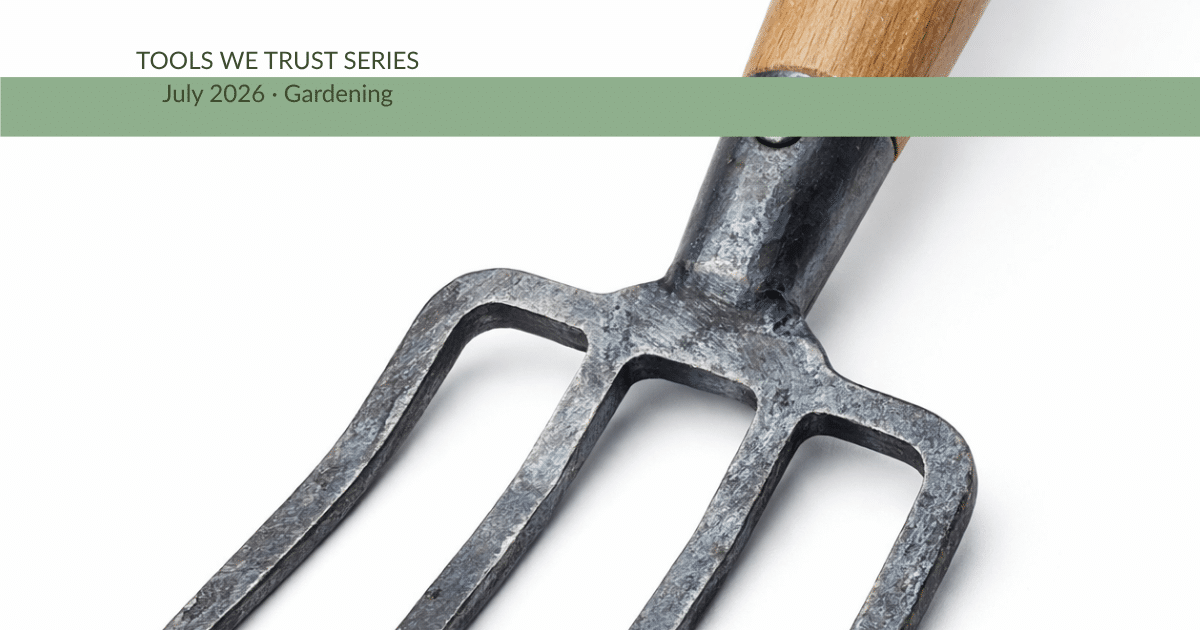
Garden Tools: What’s Worth the Money (and What Isn’t) A practical guide to the tools that truly earn their keep in everyday gardening.
Japanese Tools: The Real, the Imagined, and the Maybe Extraordinary Understanding what makes Japanese tools special — and which ones live up to the legend.
German Garden Tools Explained: Forged Steel, Ash Handles, and What Really Lasts A deep look at German craftsmanship and why these tools are built for decades of use.
Best Gifts for Gardeners: Useful Tools They’ll Actually Love Thoughtful, high‑quality tool gifts that gardeners will reach for again and again.
Retractable Garden Hoses: An Ergonomic Upgrade for Heat‑Season Watering A smart, ergonomic upgrade that makes summer watering easier and safer

Introduction
German garden tools have a reputation for lasting decades, and much of that reputation is earned. Forged steel blades, ash handles shaped for balance, and engineering that favors strength over trend all contribute to tools that feel solid in the hand and dependable in real garden work. But not everything with a German label is built the same. This guide breaks down what actually makes German tools durable, what’s mostly marketing, and how to choose authentic, well‑made tools that truly stand the test of time.
Pick up a German garden tool and the first thing you notice is the weight — not heaviness for its own sake, but a grounded, engineered solidity. These tools feel like they were built for real work: dense soil, deep roots, long days. They don’t whisper; they declare themselves.
Where Japanese tools feel precise and responsive, German tools feel inevitable — strong, stable, and built to outlast their owners.
This is the world of German tools: engineered endurance, honest materials, and the reputation of the “forever tool.”
Why German Tools Feel Different
German garden tools come from a culture shaped by engineering, agriculture, and a climate that demands durability. The design philosophy is simple: a tool should be strong enough to trust, even under force.
Three qualities define them:
- Strength — Forged steel, thick tangs, and reinforced joints.
- Leverage — Long handles and balanced weight for mechanical advantage.
- Longevity — Materials chosen to last decades, not seasons.
These tools are built for digging, prying, lifting, and breaking ground — the structural work of gardening.

Who Makes the Best German Tools?
krumpholz
German garden tools have a reputation for strength, balance, and engineering that favors clean, efficient work. Where Japanese tools often feel delicate and precise, German tools lean into durability and power — forged steel, reinforced sockets, and handles built to last through heavy digging and tough soils. Makers like Krumpholz (KROOMP‑holts) and Wolf‑Garten (VOLF‑GAR‑ten) have shaped a tradition where every tool has a clear purpose, a solid feel in the hand, and a kind of quiet confidence that comes from centuries of craftsmanship.
Krumpholz — forged grub hoes, mattocks, and digging tools built for clay and rocky soils
Wolf‑Garten — the Multi‑Star interchangeable system; efficient, modular, and space‑saving
Idealspaten — reinforced spades and long‑handled digging tools with clean geometry
Rinaldi Germany — forged mattock hoes and heavy‑duty earth‑moving tools
GartenPrimus — stainless steel bypass snips and low‑maintenance cutting tools
Who German Tools Are Especially Good For
German tools tend to shine in tougher soils and heavier work, making them a favorite among gardeners who value strength, durability, and clean engineering
German toolmakers share a common philosophy: strength first, efficiency second, and longevity always. Whether it’s the forged weight of a Krumpholz hoe or the engineered precision of a Wolf‑Garten attachment, these tools are built for real work and built to last. But each maker has its own strengths — and each one shines for a different kind of gardener. The chart below shows who benefits most from each German brand
| Group | Brand | Country | Website |
|---|---|---|---|
| German Makers | Krumpholz | Germany | https://tool-garden.com/construction-tool/krumpholz/ |
| German Makers | Wolf‑Garten | Germany | https://wolfgarten.us/ |
| German Makers | Idealspaten | Germany | https://www.idealspatenusa.com/ |
| German Makers | Primus | Czech Republic | https://primus.us/ |
| Pan‑European Makers | Rinaldi | Italy | https://rinaldi-tools.com/en/ |
Pan‑European Forging Tradition
Europe’s forged‑tool heritage isn’t a single story — it’s a network of regional craft traditions shaped by landscape, agriculture, and centuries of metalwork. Germany sits at the center of this tradition with its engineering‑driven smithies, but the broader continent contributes its own specialties. In the Alpine regions, blacksmiths refined heavier digging tools for stony soils; in Central Europe, workshops blended German geometry with local forging styles; and in Italy, agricultural life produced a long lineage of cutting tools designed for orchards, vineyards, and harvest work. Together, these traditions form a pan‑European craft culture where forged steel, balanced weight, and hand‑shaped profiles have been passed down through generations. Your list reflects that wider heritage: German makers for strength and durability, Italian makers for cutting precision, and Central European makers for forged‑steel continuity.
If You Are New to German Tools, Start Here
(The Beginner’s List)
And for gardeners who want to start with just a few dependable essentials, these German tools are especially beginner‑friendly.
Wolf‑Garten Hand Trowel — light, durable, and part of the easy‑to‑use Multi‑Star system
Krumpholz Forged Hand Hoe — excellent for beginners dealing with clay or compacted soil
GartenPrimus Stainless Snips — clean, low‑maintenance cuts for everyday pruning
Idealspaten Narrow Spade — precise digging for bulbs, small plants, and tight spaces

A Note on German tools for Florida soils:
Florida’s sandy soils may seem easy at first glance, but they hide tough roots, shell fragments, and compacted pockets that benefit from the strength of German tools. Forged steel blades, reinforced sockets, and long handles give you the leverage you need for planting, dividing, and digging in conditions that can surprise even experienced gardeners.
The Materials That Built the Reputation
German tools are known for their uncompromising materials:
- Forged carbon steel — tough, dense, shock‑resistant.
- Thick‑gauge stainless steel — ideal for spades and forks.
- Ash or beech handles — strong, flexible, and comfortable over long use.
- Full‑tang construction — the steel runs through the handle for strength.
These choices make German tools heavier than many others — but also nearly indestructible.
The Design Philosophy: Strength Over Finesse
German tools evolved in landscapes with clay soils, dense roots, and agricultural traditions. The work demanded tools that could take force without bending or breaking.
This led to designs that prioritize:
- leverage
- stability
- power
- long handles for reach and momentum
They’re built for the gardener who needs to move earth, not just shape it.

German tools carry their own mythology — some earned, some exaggerated.
True:
- Forged German steel is exceptionally durable.
- Many tools are still made in small workshops.
- They excel in heavy soils and structural tasks.
- A good German spade can last decades.
Myth:
- All German tools are handmade.
- They’re automatically better for every gardener.
- They never break.
- Heavier always means stronger.
The truth: German tools are extraordinary for heavy work — but not universally superior.
Where German Tools Truly Shine
These categories are where German engineering is unmatched:
- Forged spades
- Garden forks
- Long‑handled hoes
- Edgers
- Broadforks and soil‑working tools
If you garden in clay, roots, or compacted soil, German tools are the gold standard.
Where They’re Not the Best Choice
- precision pruning
- fine weeding
- sandy or loose soils
- gardeners who prefer lighter tools
- tasks requiring fingertip control
German tools are purpose‑built. They’re brilliant for the right jobs — and too much for the wrong ones.
Care & Storage
German tools are forgiving, but they still appreciate care:
- Brush off soil after use.
- Keep blades dry to prevent rust.
- Oil wooden handles once or twice a year.
- Store out of standing moisture.
- Sharpen spades and hoes lightly and often.
A little attention keeps them performing for decades.

Closing Thought
German tools aren’t delicate or poetic — they’re dependable. They come from a culture that believes a tool should be strong enough to trust, year after year, through every season and every soil.
They don’t promise magic. They promise endurance. And sometimes, that’s exactly what a gardener needs.
A classic German Hausgarten blends the practical and the ornamental in a way that feels both lived‑in and intentional. In a typical suburban backyard you’ll find vegetables tucked beside perennials, a small lawn for gathering, and often a sturdy rosemary bush near the kitchen door. It’s a garden meant to be used as much as admired — a place where beauty, food, and daily life overlap naturally, just as they do in the view from this porch.

A balanced mix of vegetables, flowers, and everyday beauty
Up Next: Gifts for Gardeners
And once you’ve worked with tools built to last, it changes the way you think about giving them. The next article turns toward the gardeners in your life — the ones who would rather have one well‑made thing than a dozen forgettable gadgets. From small luxuries that make daily tasks easier to thoughtful upgrades that feel genuinely earned, we’ll look at gifts that respect the work, the craft, and the daily joy of tending a garden.
Happy Digging,
Jane
📌 GERMAN TOOLS · Built for Real Work
📌 PRECISION ENGINEERING · Tools That Don’t Quit
📌 HEAVY-DUTY DESIGN · Made for Tough Jobs
📌 CRAFTSMANSHIP · Quality You Can Feel
Quick Answers
A: German tools are known for forged steel, strong ash or beech handles, and engineering that prioritizes durability and power for heavy garden work.
A: Many gardeners find them worth it because they last for years, hold up under tough conditions, and often replace multiple cheaper tools.
A: They need simple care such as cleaning after use, drying thoroughly, and occasionally oiling wooden handles to prevent cracking.
A: They tend to be heavier because they’re built for strength and leverage, which makes them excellent for digging, chopping, and tough soil.
A: A forged hand trowel, a sturdy cultivator, and a high‑quality bypass pruner are the most versatile choices for routine garden tasks
Photo Credits
Hausgarten, giggel, CC BY 3.0 https://creativecommons.org/licenses/by/3.0, via Wikimedia Commons
Further Reading
Articles • Why German Tools Are Built to Last — Garrett Wade Editors, Garrett Wade • Inside the World of Forged Garden Tools — Sneeboer & Zn Editorial Team, Sneeboer • Understanding Tempered Steel in Garden Tools — Lee Valley Editors, Lee Valley Tools
Books • The Garden Tool Handbook — Chris Marshall, Fox Chapel Publishing • The Anvil’s Ring: Blacksmithing Techniques — Artist‑Blacksmith’s Association of North America, ABANA Press • European Toolmaking Traditions — Karl Schlesinger, Artisan Press
Title: How Adler Forged Tools Are Made Maker: Adler Werkzeug GmbH (Germany)