
EXPLORE · AUGUST: THE PIVOT MONTH
August 10 — Color Quick Start: Your Fast Guide to Late‑Summer Color
August 17 — North–South Fall Gardening Kickoff: What to Do Now, Wherever You Live
August 24 — What I’m Planting This Week — Lettuce: A Simple Start to Fall Greens
August 31 — Late‑Summer Garden Reset: Preparing Your Yard for September

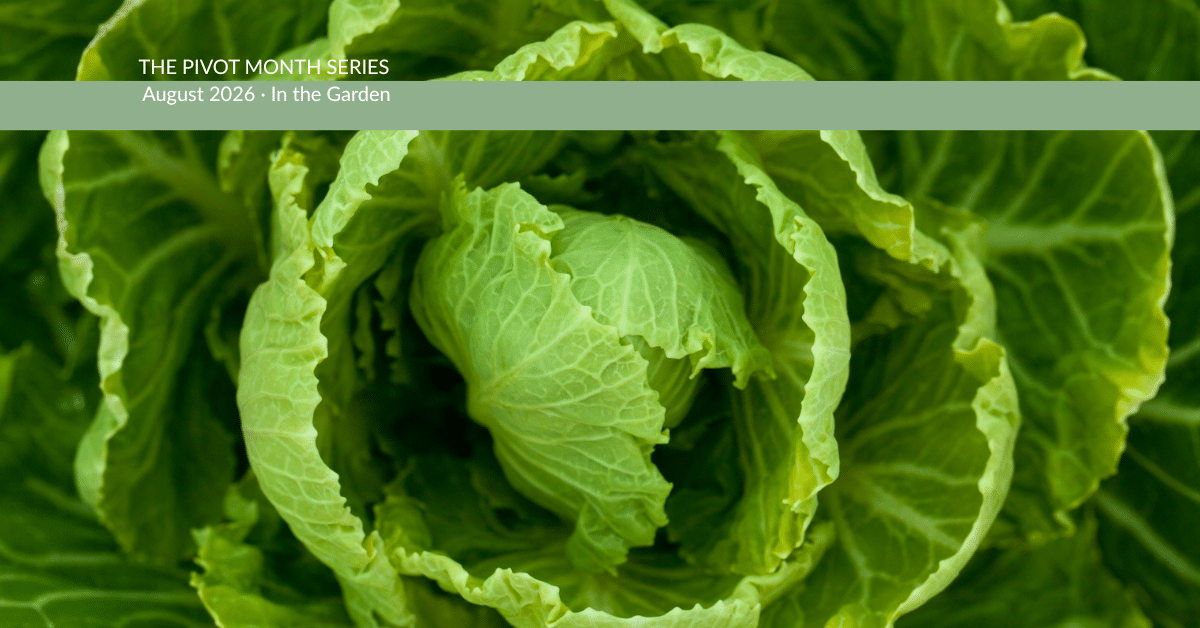
August is the perfect time to start lettuce for early fall harvests, especially in warm‑climate gardens. Looseleaf, romaine, butterhead, and crisphead varieties all perform well when you match them to your conditions — looseleaf and romaine for heat, butterhead and crisphead for protected starts. This guide covers indoor seed‑starting, transplant timing, watering, lighting, and zone‑by‑zone planting windows, plus harvesting and storage tips. Whether you sow directly or start under lights, you’ll get crisp, sweet greens long before the cool‑season garden fully wakes up.
Lettuce is one of the easiest and most rewarding crops to start in mid‑August. It grows fast, tolerates heat better than most fall vegetables, and gives you fresh greens long before the rest of the cool‑season garden wakes up. This week, I’m planting four types — each chosen for flavor, texture, and reliability in warm‑climate fall gardens.
Looseleaf Lettuce: Fast, Colorful, Heat‑Tolerant

Looseleaf lettuce is the easiest type to grow in August because it tolerates heat better than most lettuces and grows quickly from seed. I like to plant a mix of colors — bright green and deep burgundy — because they look beautiful in the garden and in the bowl. These varieties have tender leaves, mild flavor, and a “cut‑and‑come‑again” habit that keeps producing for weeks.
Sow seeds shallowly, keep the soil moist, and thin lightly once seedlings appear. Looseleaf lettuce is the best choice if you want fast results and steady harvests.
Romaine Lettuce: Crunchy, Reliable, Great for Heat

Romaine handles August heat surprisingly well, especially compact varieties like Little Gem. The flavor is crisp and sweet, and the upright growth habit makes it easy to harvest and wash. Start seeds indoors or in a shaded outdoor spot, then transplant once seedlings have two true leaves.
Romaine takes longer than looseleaf but rewards you with structure, crunch, and dependable performance.
Butterhead Lettuce: Soft, Sweet, Restaurant‑Quality

Butterhead lettuce is the most delicate and flavorful of the group. The leaves are soft, silky, and perfect for salads where you want a gentle texture. These varieties prefer slightly cooler conditions, so I start them in trays and transplant once the weather settles.
Butterhead is slower than looseleaf but worth the wait — especially if you enjoy tender greens and simple dressings.
Crisphead Lettuce: For Those Who Love a Classic Head


Sow seeds shallowly — about ⅛ inch deep — and keep the soil consistently moist until seedlings emerge. In hot climates, use morning sun and afternoon shade. Lettuce prefers rich, loose soil with good drainage.
Transplanting works well for romaine, butterhead, and crisphead. Looseleaf can be direct‑sown for speed.
Harvesting, Washing and Storing Your Lettuce

Harvest in the morning for the sweetest flavor. Looseleaf can be cut as needed; romaine and butterhead form heads you can harvest whole.
Wash gently in cool water, spin dry, and store in a container lined with a dry paper towel. Home‑grown lettuce lasts longer than store‑bought because it hasn’t been damaged by shipping.
Simple Dressings for Home‑Grown Lettuce

- Looseleaf: Light vinaigrette with lemon and olive oil
- Romaine: Creamy Caesar or yogurt‑based dressing
- Butterhead: Delicate vinaigrette with herbs
- Crisphead: Classic ranch or blue cheese
Which Lettuce to Start First

Start looseleaf and romaine first — they handle heat well. Start butterhead and crisphead in trays to protect them from August sun.
When to Plant Lettuce Outdoors (By Zone)
Lettuce is a cool‑season crop, but August planting works beautifully when you time it correctly for your zone.
Zones 3–5 (Cooler Northern Regions)
- Start indoors August 1–15
- Transplant outdoors August 20–September 10
- Direct‑sow August 15–September 1 Cool nights help lettuce thrive; protect early seedlings from hot afternoons.
Zones 6–7 (Mid‑Atlantic, Midwest, Upper South)
- Start indoors August 1–20
- Transplant outdoors August 25–September 15
- Direct‑sow August 20–September 10 Shade cloth helps during late‑August heat.
Zones 8–9 (Southeast, Gulf Coast, Inland South)
- Start indoors August 1–31
- Transplant outdoors September 1–20
- Direct‑sow September 1–30 August is often too hot for direct sowing; indoor starts give you a head start.
Zone 10 (South Florida, Coastal South, Desert Southwest)
- Start indoors August 15–September 15
- Transplant outdoors October 1–20
- Direct‑sow October 1–31 Warm nights delay germination; indoor starts are essential.
How to Start Lettuce Seeds Indoors (Lights, Trays, Timing)

Starting lettuce indoors gives you control over temperature, moisture, and light — all the things lettuce demands for reliable germination.
Best Time to Start Indoors
- Begin 2–3 weeks before your outdoor transplant date
- In hot climates (Zones 8–10), indoor starts are the most reliable method
Indoor Seed‑Starting Setup (Trays, Medium, Depth, Watering)
Trays & Inserts
Use:
- 6‑cell trays for romaine, butterhead, crisphead
- 40‑cell trays for looseleaf mixes
- A humidity dome for the first 3–5 days
Growing Medium
Choose a fine‑textured seed‑starting mix, not potting soil. Look for:
- Fine perlite or vermiculite
- Good moisture retention
- Sterile, low‑nutrient base
Planting Depth
Lettuce seeds need light to germinate:
- Make a shallow ¼‑inch finger hole
- Drop 2–3 seeds per cell
- Pinch lightly to close — do not bury deeply
- Mist gently
Watering
- Keep evenly moist, never soggy
- Mist or bottom‑water to avoid disturbing seeds
- Remove humidity dome once seedlings appear
Lighting: The Most Important Part
Lettuce seedlings stretch quickly without strong light. Here’s how to get it right.
Types of Grow Lights
- Full‑spectrum LED panels — best choice; cool, efficient, reliable
- T5 fluorescent tubes — good budget option
- Clip‑on LED bars — fine for small trays
Avoid incandescent or household lamps — they don’t provide the right spectrum.
Light Duration
- 14–16 hours per day
- Use a timer for consistency
Light Height
- Keep lights 2–4 inches above seedlings
- Raise the light as plants grow
- If seedlings stretch, lower the light immediately
Airflow
- Use a small fan on low
- Strengthens stems and prevents damping‑off
Transplanting Lettuce Seedlings
Transplant when seedlings have 2–3 true leaves and roots hold the soil together.
How to Transplant
- Harden off for 3–5 days
- Plant outdoors in the evening or on a cloudy day
- Space:
- Looseleaf: 6–8 inches
- Romaine: 8–10 inches
- Butterhead: 8–10 inches
- Crisphead: 10–12 inches
- Water immediately after planting
- Provide shade for the first 48 hours in hot weather
Harvesting, Washing, and Storing
Harvest in the morning for the sweetest flavor. Looseleaf can be cut as needed; romaine and butterhead form heads you can harvest whole.
Keeping Home‑Grown Lettuce Clean and Safe
Home‑grown lettuce is far safer than store‑bought because you control the soil, the water, and the harvest. Still, a few simple habits make your greens even cleaner. Start with fresh soil and clean tools, and avoid overhead watering, which can splash soil onto leaves. Harvest in the morning, when leaves are crisp, and rinse them gently under cool running water. A quick soak in a bowl of clean water helps loosen any grit. Spin dry, then store in a container lined with a fresh paper towel. If you’re growing in raised beds or containers, keep pets out of the area and remove any damaged leaves promptly. These small steps dramatically reduce contamination risk and keep your home‑grown lettuce as safe — and fresh — as it gets.
Which Lettuce to Start First
Start looseleaf and romaine first — they handle heat well. Start butterhead and crisphead in trays to protect them from August sun.

Conclusion: A Fresh Start to Fall
August is the pivot month — the moment when summer’s heat begins to soften and the fall garden quietly comes alive. Lettuce is the perfect crop to bridge that transition. It germinates fast, grows reliably, and rewards you with crisp, sweet greens long before the rest of the cool‑season vegetables are ready.
Whether you start indoors under lights or sow directly outdoors when temperatures ease, lettuce gives you a simple, confidence‑building win at the start of fall gardening. Plant a mix, harvest often, and enjoy the freshest salads of the season

What’s Next: Your Late Summer Garden Reset
This late‑summer garden reset clears spent annuals, cuts back heat‑stressed plants, refreshes depleted August soil, and adds fresh color for the transition season. Perfect for warm‑climate gardeners in Southwest Florida preparing beds for fall planting, improved airflow, stronger root growth, and a cleaner, revived landscape heading into September.
📌 START LETTUCE IN AUGUST Grow Crisp Greens Even in Late‑Summer Heat
📌 HOW TO SOW LETTUCE SEEDS Tiny Seeds, Simple Steps, Fast Results
📌 BEST LETTUCE FOR AUGUST HEAT Romaine, Looseleaf, and Summer‑Crisp Winners
📌 HOW TO TRANSPLANT LETTUCE Shade, Timing, and Gentle Handling
Quick Questions & Answers
Looseleaf, romaine, and butterhead types handle heat better and mature quickly for early fall harvests.
Should I start lettuce indoors or outdoors?
Indoors under lights gives you stronger seedlings in hot weather. Direct sowing works once temperatures ease.
Keep the top layer of soil consistently moist. Lettuce has shallow roots and dries out fast in August heat.
Harvest in the morning for the sweetest flavor. Cut looseleaf as needed; pick romaine and butterhead as full heads.
Further Reading
Articles
Succession Planting for Lettuce From Sustainable Market Farming
Best Types of Lettuce to Grow in Your Garden-Gardenary
Books
The Vegetable Gardener’s Bible — Edward C. Smith, Storey Publishing, 2009 A comprehensive home‑garden guide with excellent sections on lettuce and leafy greens. Clear spacing, watering, and succession‑planting advice make it especially useful for late‑summer starts and fall harvests.
The Year‑Round Vegetable Gardener — Niki Jabbour, Storey Publishing, 2011 Focuses on timing, microclimates, and extending seasons. Strong coverage of cool‑season crops, indoor seed‑starting, and heat‑management strategies — ideal for August lettuce planting in warm climates.
Video
Epic Gardening — “Growing Lettuce, From Seed to Harvest 🌱”
This is the strongest all‑around lettuce tutorial. It covers varieties, seed‑starting, thinning, transplanting, watering, mulching, and three harvesting methods — all clearly demonstrated. It also emphasizes cool‑temperature management, which aligns perfectly with your August → fall transition.