

Explore August: The Pivot Month
August 10 — Color Quick Start: Your Fast Guide to Late‑Summer Color
August 17 — North–South Fall Gardening Kickoff: What to Do Now, Wherever You Live
August 24 — What I’m Planting This Week — Lettuce: A Simple Start to Fall Greens
August 31 — Late‑Summer Garden Reset: Preparing Your Yard for September
Introduction
Where summer ends, fall begins, and your decisions shape the season ahead
A Deeper Look at the Late‑Summer Pivot
Late summer is a turning point that often goes unnoticed because the garden still looks “mostly fine.” But underneath the surface, important changes are happening. Soil microbes slow down in prolonged heat, roots begin to contract rather than expand, and many summer annuals shift from bloom production to seed formation. Even tropicals — which love heat — begin to show signs of stress after months of intense sun and warm nights.
This is why August is such a strategic moment. A reset now interrupts decline before it becomes visible decline. You’re not repairing damage — you’re preventing it. That’s the difference between a garden that limps into fall and one that enters September looking fresh, intentional, and ready for planting.

Why Late Summer Matters
By late August, summer beds are tired, evenings begin to lose their heavy heat, and the garden shifts into its fall rhythm. Plants that powered through June and July start to stall, soil often shows signs of exhaustion, and even the most resilient annuals begin to look leggy. This is the moment when a reset does the most good: not a full overhaul, but a thoughtful refresh that prepares the garden for fall planting and gives your landscape a clean, revived look.
Late summer is also when warm‑climate gardeners gain a unique advantage. In Southwest Florida, the worst heat begins to ease just enough to make outdoor work more comfortable, and fall crops can be started earlier than in most of the country. A reset now sets the stage for September planting, October color, and a stronger winter garden overall.
Step 1: Clear Out What’s Truly Finished

The first step in any reset is removing what will not rebound. Some plants simply reach the end of their natural summer cycle. Others may have been stressed by heat, inconsistent watering, or pests. Clearing them out creates space, improves airflow, and gives the garden a cleaner, more intentional look.
Focus on:
- Spent annuals that have stopped blooming
- Heat‑stressed perennials with brown or crisped foliage
- Vegetables that have bolted or collapsed
- Any plant showing persistent pest damage
Removing these plants is not a loss — it’s the beginning of your fall garden.
Step 2: Cut Back What Can Recover

Not everything needs to be removed. Many plants respond beautifully to a late‑summer cutback. Trimming encourages fresh growth, improves shape, and often triggers a new flush of blooms just in time for early fall.
Cut back:
- Leggy summer annuals
- Perennials with tired midsummer foliage
- Herbs that have grown woody
- Tropical foliage plants that benefit from shaping
Aim for clean, angled cuts and remove no more than one‑third of the plant at a time. Within a week, you’ll see new growth that looks fresher and more vibrant.
Step 3: Refresh the Soil
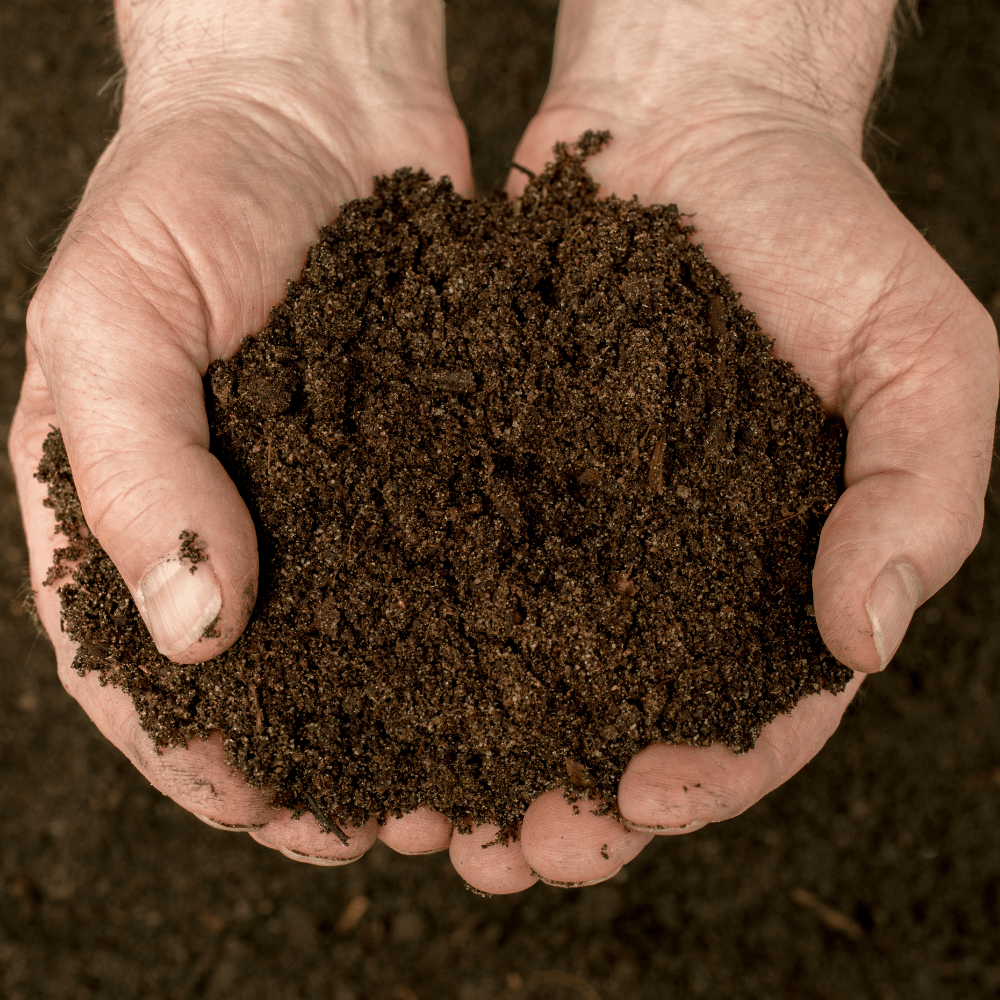
Late summer soil is often depleted. Months of heat, watering, and root activity pull nutrients from the top layer, leaving it compacted and tired. A soil refresh is one of the most transformative parts of the reset.
Steps to refresh:
- Loosen the top 2–3 inches of soil
- Add compost or organic matter
- Smooth the surface to prepare for fall planting
- Water deeply to settle everything in
This step restores structure, improves drainage, and gives fall seedlings the environment they need to thrive.
Step 4: Re‑Mulch for Moisture and Clean Lines

Mulch is your late‑summer ally. A fresh layer instantly improves the look of the garden, helps retain moisture, and protects roots from lingering heat. It also creates the clean, magazine‑style lines that make a reset feel complete.
Choose a mulch that matches your garden’s aesthetic — fine pine bark for a soft look, shredded hardwood for a more structured finish, or composted mulch for a natural, earthy tone.
Apply a thin, even layer, keeping mulch away from plant stems.
Step 5: Water Deeply and Reset Irrigation

After clearing, cutting back, and refreshing soil, the garden needs a deep, thorough watering. This helps settle the soil, reduces transplant shock for anything you’ve moved, and prepares the bed for fall planting.
Late summer is also the perfect time to check irrigation:
- Adjust timers for shorter days
- Inspect emitters for clogs
- Ensure containers receive consistent moisture
- Reduce overhead watering to prevent fungal issues
A reset is not just visual — it’s functional.
Step 6: Add Fresh Color for the Transition Season

Even if you’re waiting until September for major planting, adding a few transitional plants now gives the garden instant lift. Choose heat‑tolerant varieties that thrive in late summer but carry color into fall.
Great options include:
- Pentas
- Zinnias
- Caladiums
- Coleus
- Tropical foliage accents
- Heat‑tolerant herbs like basil and rosemary
These plants bridge the gap between summer and fall, keeping the garden lively while you prepare for cooler‑season crops.
Conclusion
A thoughtful late‑summer garden reset is one of the most effective ways to prepare for fall. By clearing out what’s finished, cutting back what can rebound, refreshing soil, and adding transitional color, you create a clean foundation for September planting and early‑fall growth. These August tasks help your garden move from tired summer beds to a revived, ready‑for‑fall landscape — especially in warm climates where the season shifts earlier and opportunities for fall crops begin now.
Photo Credits Victoria Orozco on Unsplash
Up Next: Smarter September: Tidy Gardens & Early‑Fall Trips
September is where fall truly begins — not with cooler air, but with smarter choices. This month’s series helps you navigate the seasonal pivot with practical cleanup guidance, early‑fall color ideas, and inspiring garden destinations that shine right now. Whether your beds are tired from summer heat or you’re planning your first fall plantings, September is your chance to reset, refresh, and step into the new season with intention.

📌 Late‑Summer Garden Reset
📌 Revive Plants in Late‑Season Heat
📌 Refresh Your Garden in August
📌 Quick Late‑Season Garden Fix
Quick Questions & Answers
It’s a mid‑season cleanup that clears tired summer growth, refreshes soil, and prepares beds for stronger fall planting.
Heat, humidity, pests, and nutrient loss peak now. Resetting restores balance and helps plants rebound before fall
What should I remove during an August reset?
Add compost, top‑dress with mulch, and water deeply to rebuild moisture and nutrient levels after summer stress.
Better airflow, reduced pests, healthier soil, and a clean foundation that helps fall crops establish quickly.
Further Reading
Articles
Late Summer Advice from a Botanical Garden-Lewis Ginter Botanical Garden
Books
The Well‑Tended Perennial Garden — Tracy DiSabato‑Aust A classic on cutbacks, seasonal maintenance, and keeping beds fresh through transitions.
Fall Garden Planning — Barbara Pleasant A warm‑climate‑friendly guide to prepping soil, choosing fall crops, and managing seasonal pivots.
Video
University of California Master Gardeners Late Summer Garden Tasks
https://www.youtube.com/watch?v=Gv0t8g1oJxE(youtube.com in Bing)